
Every product was carefully curated by an AI Tool Pipelines editor. We may earn a commission from these links. Here's how we choose products and why you should trust us.
Best Books on AI, Automation, and Prompt Engineering
3 min read · Updated Sep 6, 2026

Skip the "ChatGPT prompts that will change your life" books entirely. Not one of them has aged past about six months. The five books below hold up because they teach the underlying mechanism, how retrieval, evaluation, and systems reliability actually work, instead of a list of magic phrases that stopped working the week the model changed.
Key takeaways
- Prompt-list books age out within months as models change, mechanism-first books hold up for years.
- Read Designing Machine Learning Systems or AI Engineering first if you are building anything production-facing.
- Read Hands-On Large Language Models first if you want intuition for how LLMs work before the systems-level material.
- Designing Data-Intensive Applications is not AI-specific, but its reliability thinking applies directly to LLM pipelines.
- None of these require a machine learning background, a working software engineering background is enough to follow all five.
Quick picks
Chosen for mechanism over trend, so they still hold up next year.
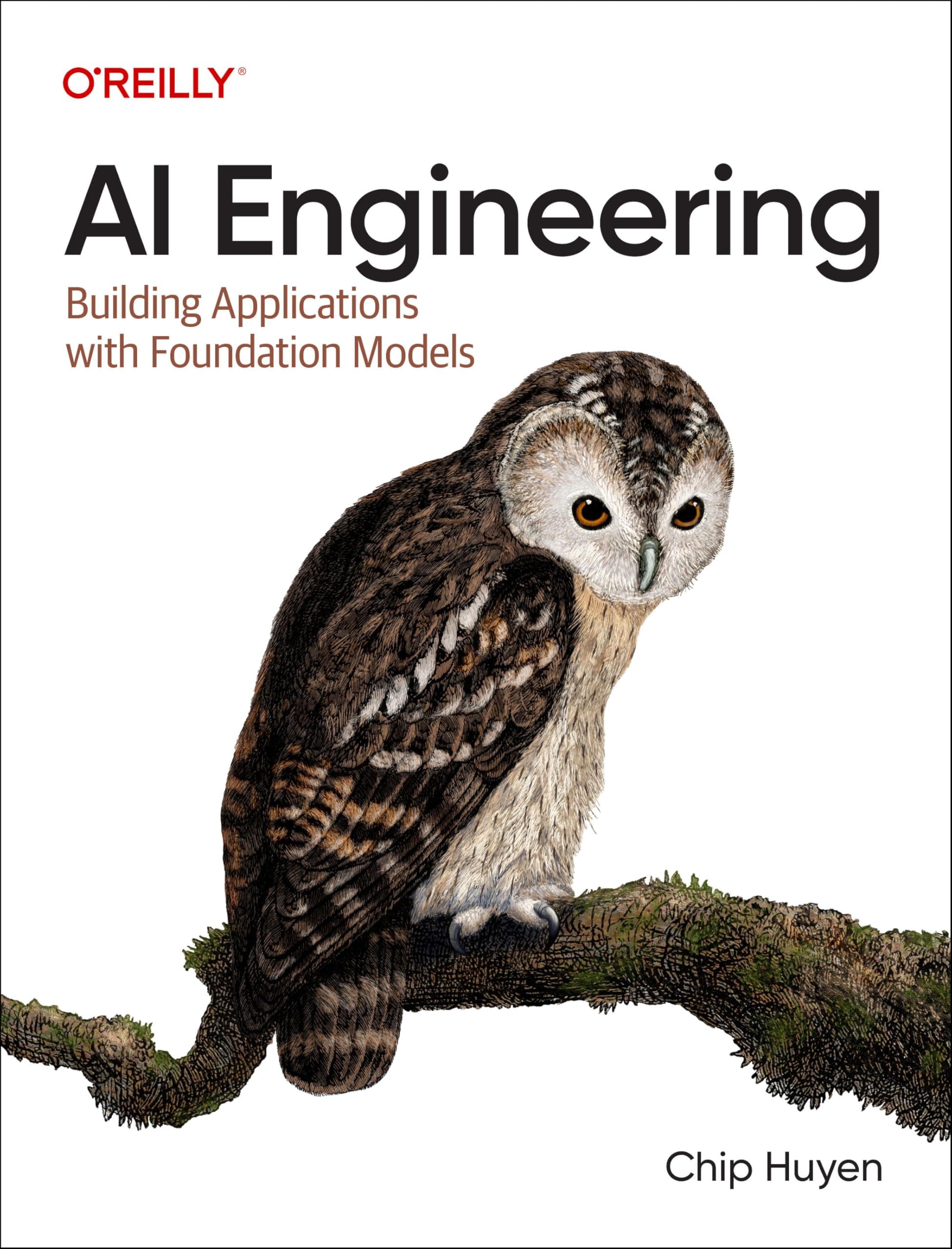
AI Engineering: Building Applications with Foundation Models
$40–$52
Chip Huyen (O'Reilly, 2025). The closest thing to a field manual for production LLM systems.
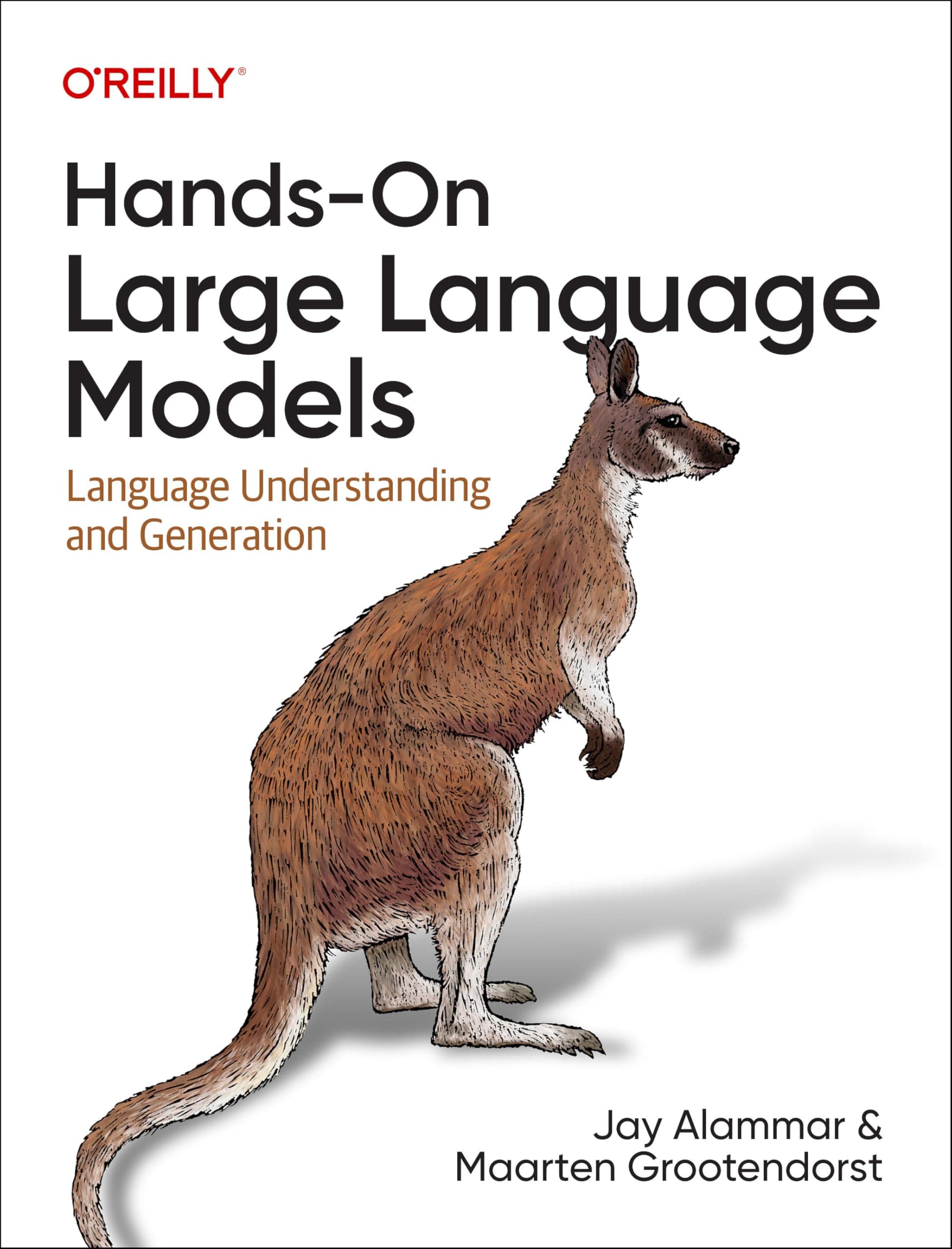
Hands-On Large Language Models
$35–$40
Jay Alammar and Maarten Grootendorst (O'Reilly, 2024). Visual, intuition-first explanations of how LLMs actually work.
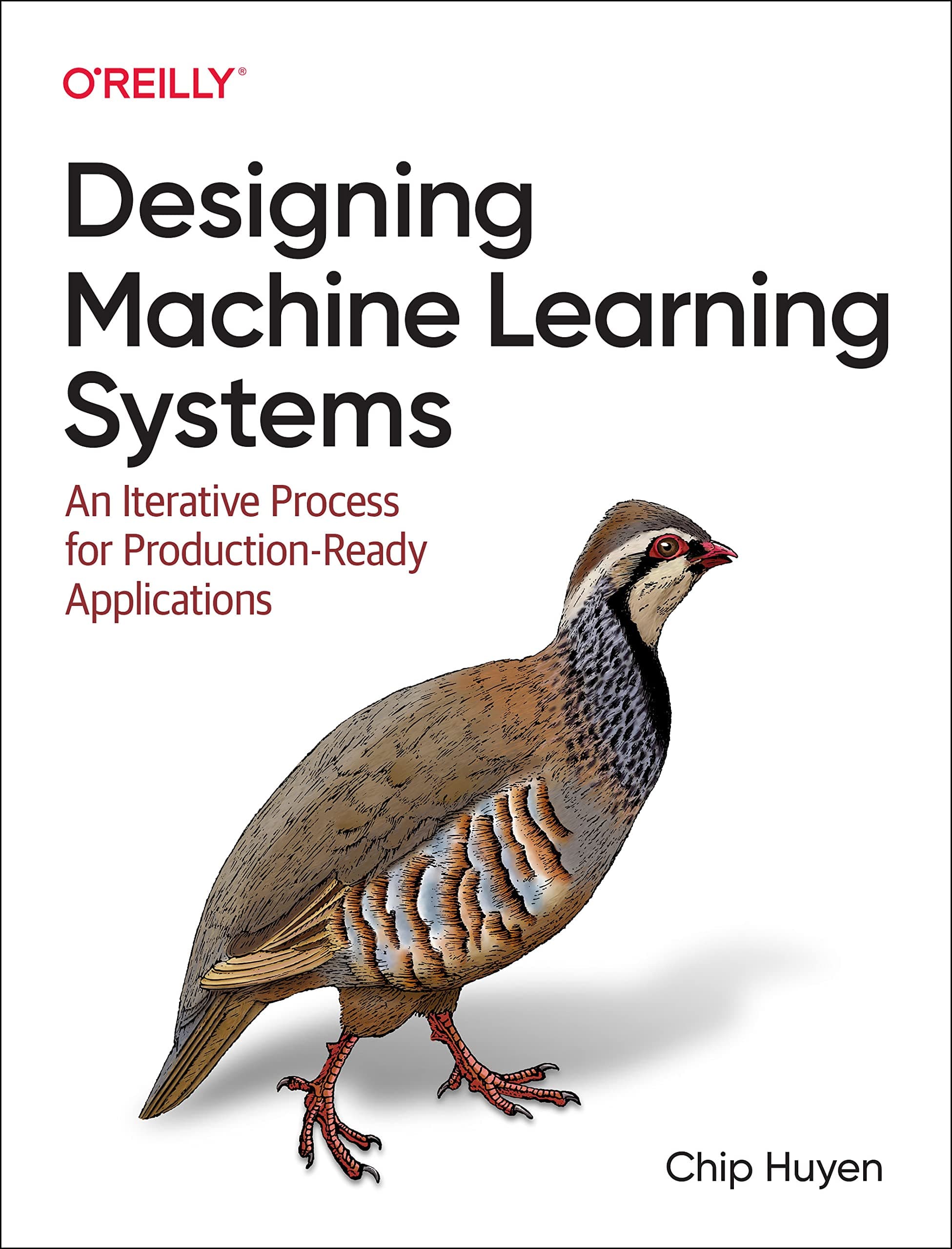
Designing Machine Learning Systems
$38–$45
Chip Huyen (O'Reilly, 2022). The systems and infrastructure side of ML, still relevant for LLM pipelines.
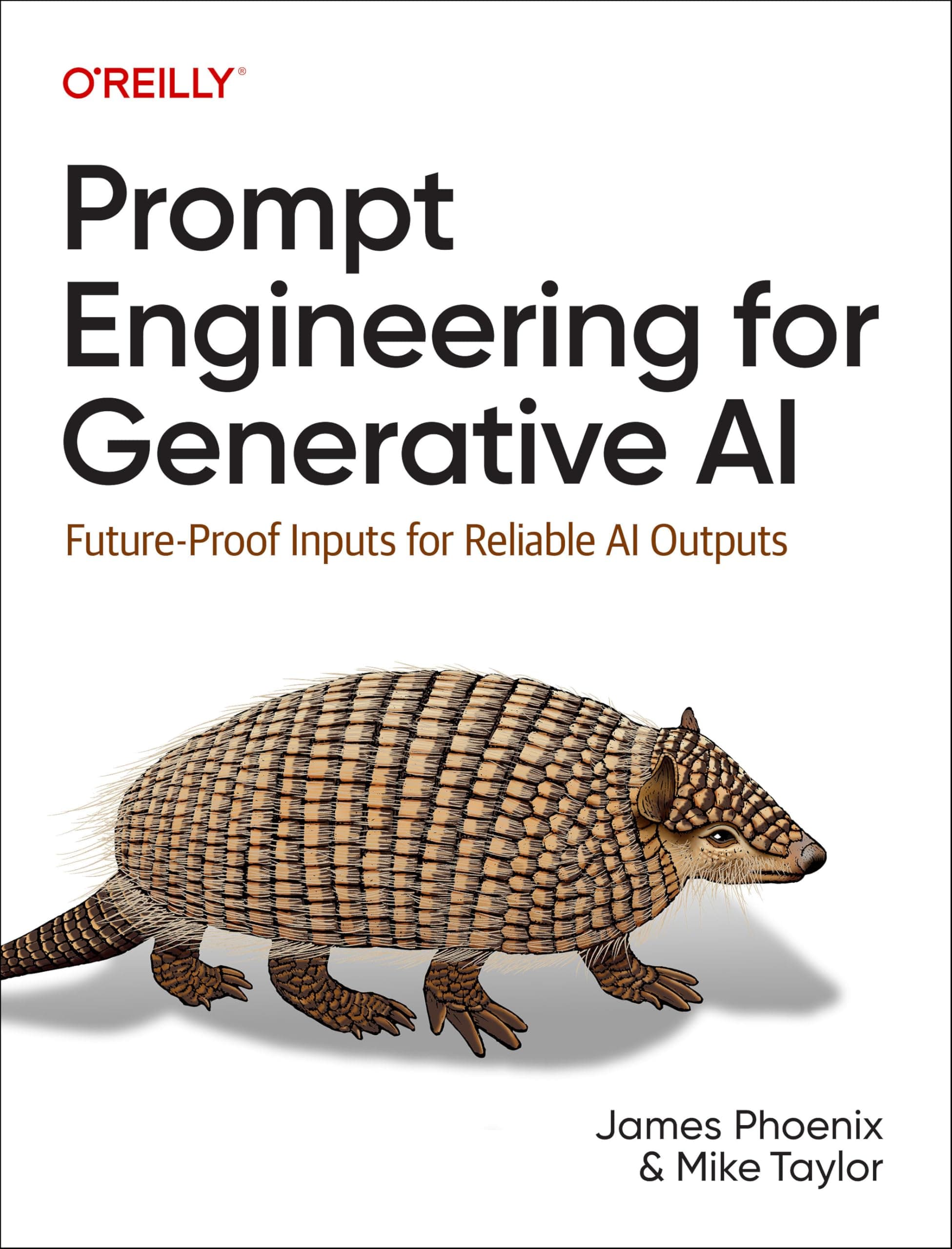
Prompt Engineering for Generative AI
$45–$55
James Phoenix and Mike Taylor (O'Reilly, 2024). The most practical prompt-engineering reference, not just a tips list.
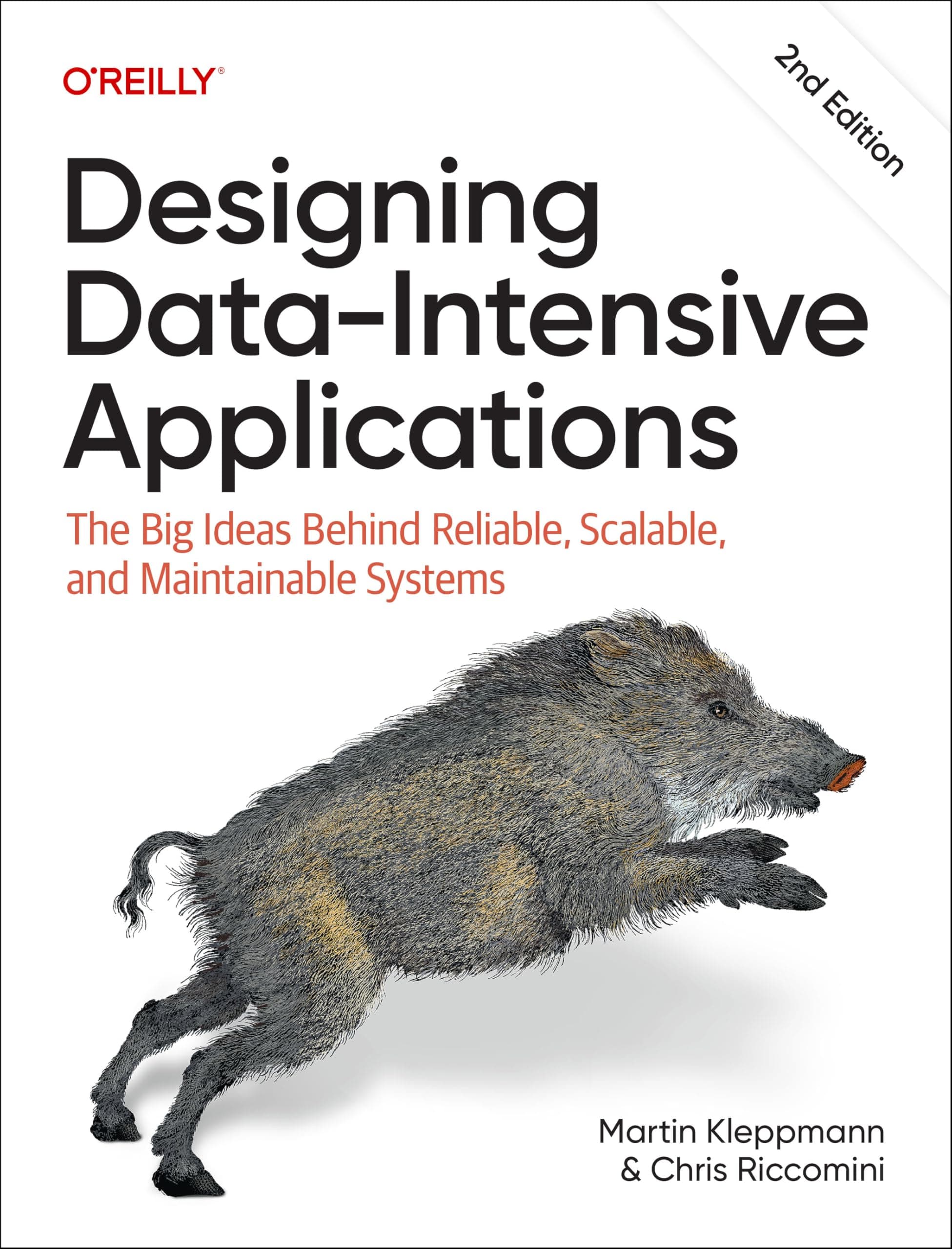
Designing Data-Intensive Applications (2nd Edition)
$56.86
Martin Kleppmann and Chris Riccomini (O'Reilly, 2026). Not AI-specific, but the reliability thinking every automation pipeline eventually needs.
Why mechanism beats a prompt list

A prompt that worked well on one model version can silently stop working when the provider updates the model behind the API, something every team running a production LLM pipeline eventually discovers the hard way. A book that explains why retrieval-augmented generation (RAG, grounding a model's answers in your own documents instead of only its training data) actually works keeps its value regardless of which model you point it at. A list of "10 prompts that changed my life" does not survive the first model update.
The opinion I will defend
A story: the idempotency chapter I read years before it mattered

I read Kleppmann's book cover to cover on a delayed flight sometime in 2018, years before I ever touched an LLM API. The chapter on idempotency (making an operation safe to retry without doing it twice) stuck with me as interesting but abstract at the time. In 2023, building an early GPT-3.5 pipeline, a retry loop with no idempotency key double-charged a client's OpenAI account by roughly $340 in a single afternoon before anyone noticed the duplicate calls. The fix was the exact pattern from that flight five years earlier, applied to a technology that did not exist when I first read about it.
“A good prompt-engineering tip has a shelf life of months. A good systems-thinking book has a shelf life of a career.”
Frequently asked questions
Frequently asked questions
Do I need a machine learning background to read these?
No. A working software engineering background is enough for all five. None of them assume prior ML coursework.
Which book should I read first if I am building my first LLM pipeline?
AI Engineering by Chip Huyen is the most directly aimed at exactly that use case, published in 2025 with production application-building as its focus.
Is Designing Data-Intensive Applications still relevant if I am not using a database directly?
Yes. The reliability and idempotency concepts apply to any pipeline with retries, queues, or external API calls, an LLM API call has the same failure modes as any other network call.
Are prompt-engineering books worth buying at all?
The tip-list style ones age out fast. Prompt Engineering for Generative AI by Phoenix and Taylor holds up better because it teaches patterns and reasoning, not a fixed list of phrases.
Print or e-book for technical books like these?
Either works, but if you plan to reference code samples while working, a searchable e-book or the publisher's online edition tends to be more useful day to day than flipping pages.