
Every product was carefully curated by an AI Tool Pipelines editor. We may earn a commission from these links. Here's how we choose products and why you should trust us.
Best AI Noise-Cancelling Headphones for Deep Work
By Buyisile Nkwebana · 4 min read · Updated Sep 6, 2026

Speech, not general background hum, is what actually kills focus in an open office. Workplace acoustics research (Jabra's workplace noise research, 2019) found that conversational distraction is consistently the top-cited cause of reduced productivity in open-plan offices, because speech enters working memory more readily than steady, predictable background noise like an air conditioner or distant traffic. The noise-cancelling headphones worth buying are the ones that specifically handle speech frequencies well, not just the ones with the biggest "hours of battery life" number on the box.
Key takeaways
- Speech is the most disruptive noise type for concentration, more than steady background hum, because it engages working memory in a way constant noise does not.
- Active noise cancellation (ANC) is more effective against steady low-frequency sound (HVAC, engine hum) than against sudden or variable sounds like nearby conversation, know this before expecting total silence.
- "AI-driven" ANC marketing usually refers to adaptive algorithms that adjust cancellation in real time based on the environment, a real feature, though the marketing term overstates how novel it is.
- Comfort for multi-hour wear matters as much as ANC quality, a technically superior headphone you take off after 90 minutes provides less real-world focus benefit than a comfortable one you keep on.
- A good pair of ANC headphones will not fully eliminate nearby conversation, pairing with background sound (white noise or instrumental audio) often closes that remaining gap.
Quick picks
ANC effectiveness on speech frequencies and multi-hour comfort matter more than the spec sheet's battery number.
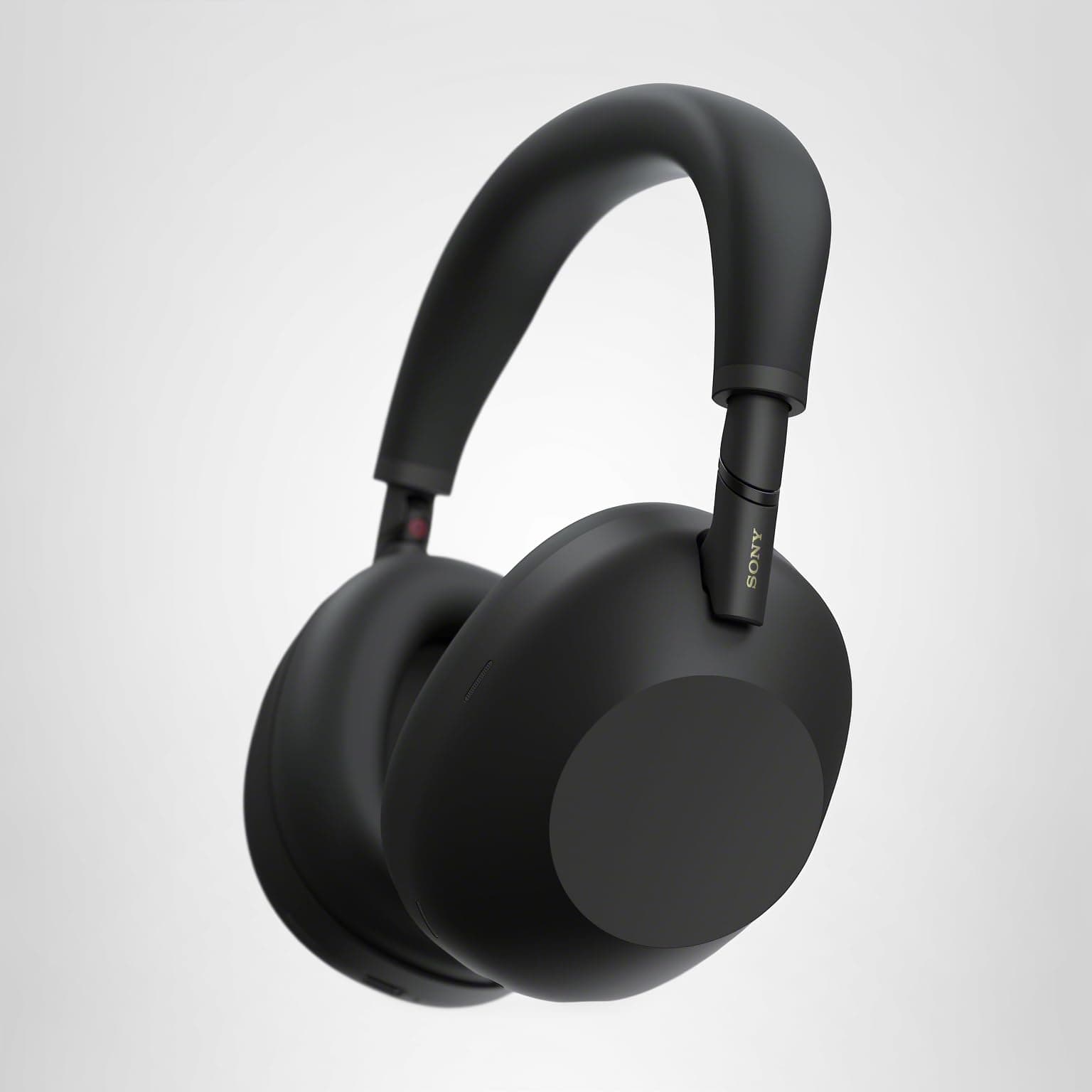
Sony WH-1000XM6
$380–$420
The benchmark for adaptive ANC right now: it handles steady background hum and speech frequencies better than anything else in this roundup, and the multi-mic array keeps calls clear on top of it.
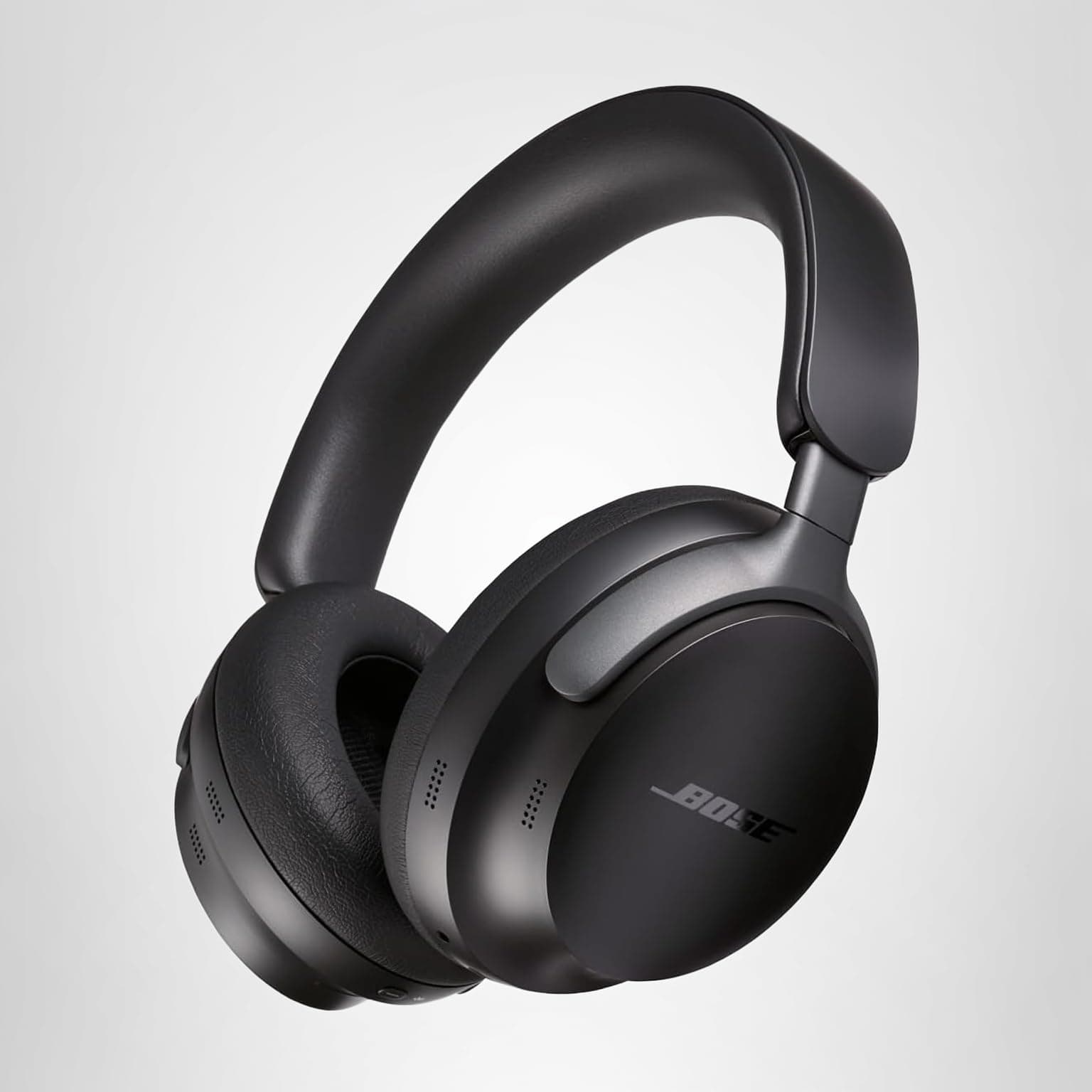
Bose QuietComfort Ultra
$320–$330
Adaptive ANC with exceptional comfort — the pick for multi-hour daily wear when comfort matters as much as noise cancellation.
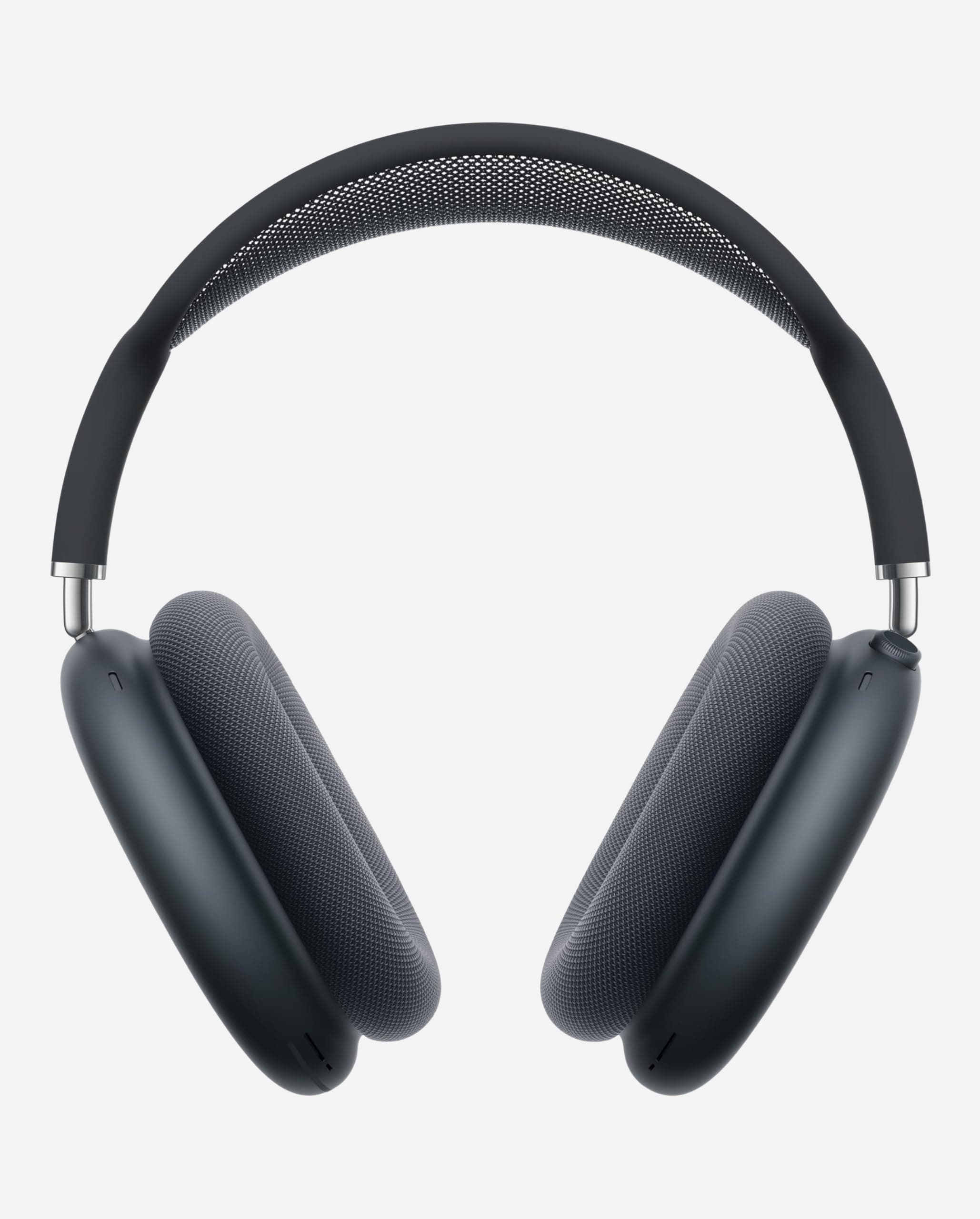
Apple AirPods Max
$500–$550
Adaptive ANC in a premium build, with the tightest integration if you are already deep in the Apple ecosystem.
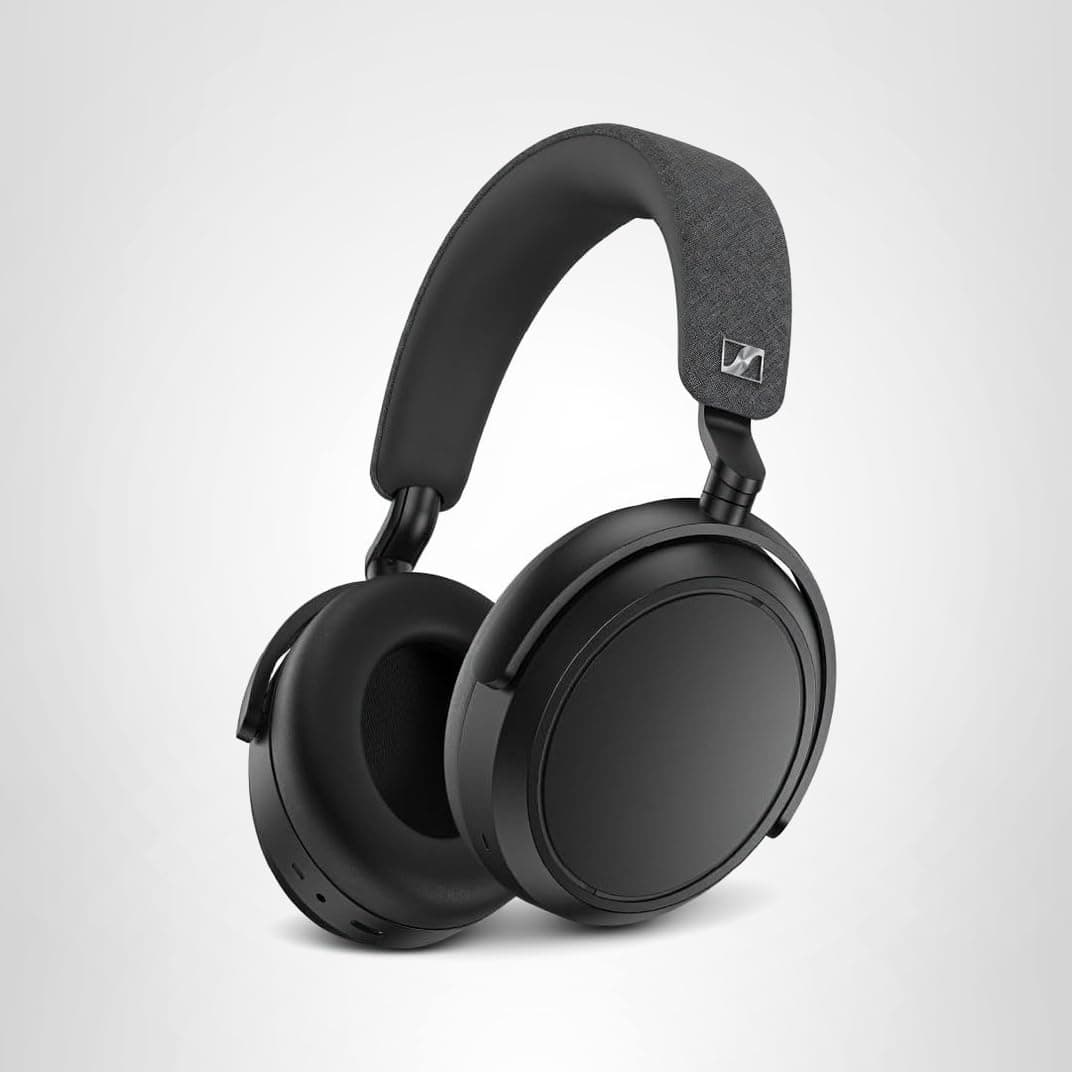
Sennheiser Momentum 4
$210–$220
Strong ANC paired with the longest battery life among top-tier options in this roundup.
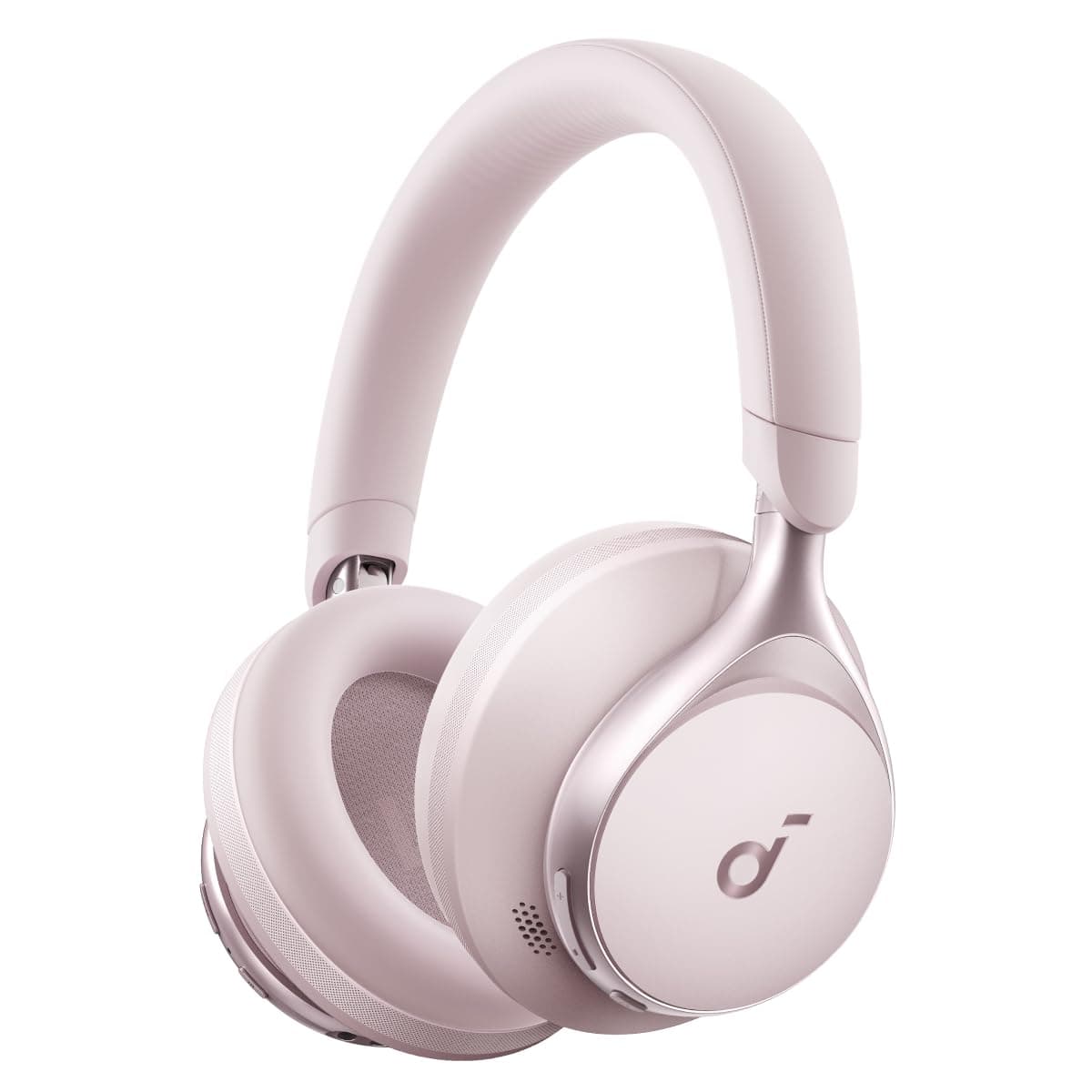
Anker Soundcore Space One
$90–$100
Solid ANC at a budget-friendly price — meaningful noise-cancellation benefit without paying the premium-tier cost.
What "AI noise cancellation" actually means

Most "AI-driven" ANC marketing describes adaptive algorithms that continuously sample the surrounding sound environment and adjust cancellation strength and profile in real time, rather than applying one fixed cancellation curve regardless of setting. That is a genuine, useful improvement over older fixed-profile ANC, it is real signal processing, not a stretch of the term. It is also not the dramatic leap the marketing copy implies, the underlying physics of what ANC can and cannot cancel (better at steady low frequencies, weaker against sudden or variable sounds like speech) has not fundamentally changed.
The opinion I will defend
A story: the top-rated headphones that stayed in the drawer

A colleague bought the top-reviewed ANC headphones on the market in early 2025 based purely on benchmark scores, and mentioned six months later that they mostly sat in a drawer, uncomfortable clamping pressure on his head after about an hour of wear made him reach for an older, lower-rated pair instead for anything longer than a short call. The lower-rated pair had genuinely weaker ANC on paper, and got worn for six hours a day anyway, because comfort decided actual usage far more than the review score had predicted it would.
What to check before buying
- Try before committing if at all possible. Clamping pressure and ear cup fit vary enormously between models and head shapes.
- Check the return window. A pair that feels fine in a ten-minute store trial can still be uncomfortable after three hours.
- Do not expect total silence. Even top-tier ANC handles speech worse than steady hum, budget for a background-noise app as a companion, not a replacement purchase.
“The best noise-cancelling headphones are the ones still on your head at hour five, not the ones that won the lab test.”
Frequently asked questions
Frequently asked questions
Why can I still hear conversations with ANC headphones on?
ANC is more effective against steady, predictable noise like HVAC hum than against variable sounds like speech. This is a known limitation of the underlying technology, not a defect in any particular pair.
Is "AI noise cancellation" actually different from regular ANC?
It typically refers to adaptive algorithms adjusting cancellation in real time based on the environment, a genuine improvement over fixed-profile ANC, though the underlying physics limitations against speech remain similar.
Should I buy over-ear or in-ear ANC headphones for work?
Over-ear typically offers stronger ANC and comfort for multi-hour wear, in-ear is more portable and less noticeable in a shared office. Comfort preference over long sessions should decide this more than raw ANC performance.
Does pairing white noise with ANC actually help?
Often yes, since white noise or instrumental audio helps mask the residual speech ANC cannot fully cancel, closing more of the distraction gap than upgrading ANC hardware alone.
How long do ANC headphones typically last before needing replacement?
Battery degrades gradually over roughly 2-4 years of regular use, similar to other rechargeable electronics. Build quality and ear cushion wear are often the more common reason people replace them earlier than that.